



April 6, 2026
No, a headline tweak won’t fix your differentiation problem
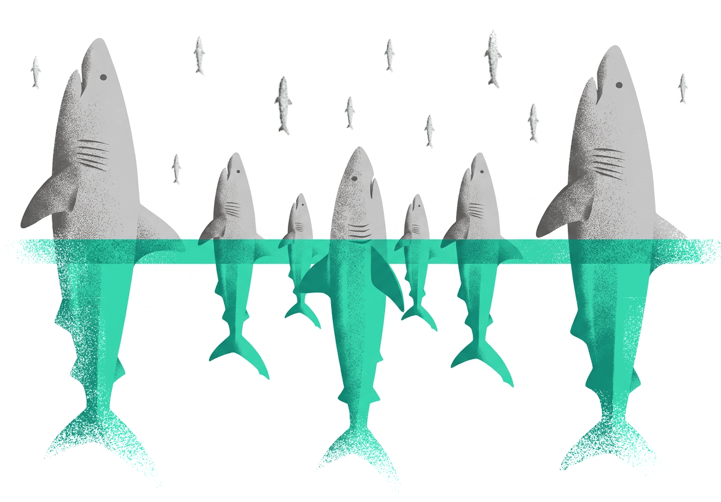
Every few weeks, a founder or marketer lands in my inbox with the same request: “Can you help us stand out?” The market is crowded. Everyone looks and sounds the same. They want to be memorable. So, sure enough, they turn to their copy because that must be where the issue lies.
And then comes the big ask: “Could you just make us sound more different?” If we could just nail the wording... that should fix things. Right?
Differentiation isn’t a copy problem
I speak with a lot of companies who treat differentiation like a copy fix. Just tweak the headline. Refresh the hero section. Punch up the tagline. As if the right headline will carry the whole brand.
But differentiation isn’t a garnish. It’s not some sprig of parsley you toss on for show. It isn’t a word-choice issue — it’s a strategic one. And honestly, most copy problems are messaging problems in disguise. If the underlying message isn't clear, no amount of wordsmithing will fix it.

Picture a pyramid: copy sits on top of messaging. Messaging sits on top of positioning. Where you play, who you serve, and why you’re the better choice. That’s your base. Get that wrong, and it doesn’t matter how polished the top looks, we’re all yelling timber as the whole thing comes toppling down.
The myth of the magic USP
I see a lot of companies chasing the idea of a magical, blue-ocean USP. The one line nobody else can say. The elusive “only we…” statement. And I get it, there’s something appealing about the idea that if you just find that one thing everything else falls into place.
But I don’t think the USP, as a concept, is that helpful anymore. At least not in the traditional sense of “one single unique point of differentiation.” Categories are too saturated. Products are too similar. And the framing itself (‘selling point’) pushes companies towards claims they can’t back up. The reality is much messier.
Differentiation is rarely one feature or capability. What I look for is the combination of elements that stack up to something your competitors can’t easily replicate. That’s when you can build the narrative that ties it together.
What you’re really competing with
Your differentiation is always relative to the alternatives your buyers are actually comparing you to. And for many B2B SaaS companies, those alternatives aren’t another tool in the same category. They’re spreadsheets. Zapier workarounds. Hiring an agency. Doing nothing.
If you don’t know what you’re really being compared to, how can you possibly know what makes you different? Most companies are so focused on their direct competitors that they miss the real decision their buyers are making. April Dunford, one of the world’s leading voices on B2B product positioning, calls these “phantom competitors” — the ones you think you’re up against but aren’t. And if you’re messaging against the wrong alternative, your differentiation won’t land, no matter how clear it is.
Relevant beats radical
Your differentiation doesn’t have to be radical. It has to be relevant. For products, that might be a specific capability tied to a specific use case. For services, it might be your delivery model or methodology.
The unsexy reality is that the most profitable differentiation often comes from deeply understanding your buyer and serving them better (even just slightly better) than everyone else. And once you’ve got that clarity, then you can actually message around it. Then your copy has some legs.
What customers know that you don’t
After years of doing this work, I’ve learned that the internal view is almost always off by a few degrees. Not because teams don’t know their product. In fact, they’re too close to it. They’re leading with features that customers don’t care that much about. They’re anchoring on positioning decisions made three years ago, when the market looked nothing like it does today.
It’s one thing to ask your team what makes you special. It’s another to hear it from customers. That’s why I don’t leave the hard work of figuring out differentiation to a workshop or a brainstorm. I start there, but then I pressure-test it by talking to customers. Specifically, I look for:
- What triggered them to look for a solution like yours
- What alternatives they considered (and rejected)
- What almost stopped them from buying
- What’s most valuable to them now
The answers are rarely what the internal team expects. But they’re grounded in real buying decisions. And they give you something concrete to build your messaging around.
Where this leaves us
You can’t sprinkle on differentiation. You can’t wordsmith your way to it. And you definitely can’t find it by staring at your competitors’ websites and trying to sound different. But you can uncover it.
It takes talking to the people who already chose you, asking better questions, and being honest about what actually matters to them. Not what you wish mattered. That’s where your differentiation lives. Not in a tagline. Not in a workshop. In the gap between what you think makes you special and what your customers actually value.
Once you’ve got that, your messaging gets a lot easier to write. And a lot harder to ignore.

More news
See more

.png)